Toddler Bedtime Battles: A Calm Routine That Works

What makes bedtime hard for toddlers
Toddler bedtime isn’t “just” about sleep—it’s a collision of biology, development, and timing. One moment your child is snuggly; the next they’re sprinting laps in the hallway. Understanding what’s behind the resistance helps you respond with calmer, repeatable steps.
- Fast-changing energy: Late-day overstimulation can look like “wired and tired,” where the body is exhausted but the brain won’t slow down.
- Boundary-testing: Toddlers learn quickly what changes the outcome (another book, another snack, another parent visit).
- Separation anxiety: Nighttime can spike worries even when daytime independence is improving.
- Schedule pressure: Hunger, thirst, discomfort, or naps that run too late can push sleep later.
- Life transitions: New siblings, daycare changes, travel, potty training, or dropping naps often show up as bedtime resistance.
For age-specific sleep guidance and healthy habits, the American Academy of Pediatrics is a helpful reference point, and the CDC also highlights how consistent sleep supports overall health.
A calm-down window that actually works
A smoother bedtime usually starts before the bedtime routine. Think of the hour before sleep as a runway—not a cliff.
- Start 45–60 minutes before lights out: Pick a realistic target sleep time and begin the wind-down early enough that you’re not rushing.
- Reduce stimulation in layers: Dim lights, soften voices, slow movements, and keep screens off.
- Connection before correction: A few minutes of undivided attention (no phone, no multitasking) can prevent power struggles later.
- Offer two acceptable choices: “Blue pajamas or green pajamas?” “Two short books or one long book?”
- Keep expectations repeatable: Toddlers relax when the next step is predictable—even if they protest at first.
A simple bedtime routine (and how to keep it consistent)
The most durable routines are short enough to do on hard nights and familiar enough that any caregiver can run them. Aim for 5–7 steps max, keep the same order nightly, and make the final step brief and identical.
- Choose non-negotiable anchors: bath or wash-up, pajamas, brush teeth, books, cuddles, lights out.
- Prioritize sequence over perfection: The order matters more than making every step “ideal.”
- Use a short ending: A quick phrase + hug + lights out reduces repeated requests.
- Caregiver swaps: If one parent is traveling or a babysitter is helping, keep the same routine steps and the same goodnight script.
Sample 60-minute wind-down routine (adjust to age and nap schedule)
| Time before lights out | Activity | Goal | Parent tip |
|---|---|---|---|
| 60–45 min | Snack + water (if needed) | Prevent hunger-based delays | Offer once; avoid grazing in the bedroom |
| 45–30 min | Bath or warm wash-up + dim lights | Signal “night is coming” | Keep play minimal; use calm narration |
| 30–20 min | Pajamas + brush teeth | Transition into sleep gear | Use a small timer or song to pace |
| 20–10 min | 2 short books or 1 longer book | Connection + downshifting | Stop while it’s still pleasant—avoid “one more” loops |
| 10–0 min | Cuddle + goodnight phrase + lights out | Clear ending | Repeat the same line every night; keep it under 20 seconds |
Bedtime battles: what to do in the moment
When things go sideways, the goal is to be calm, consistent, and boring. Big reactions can accidentally “pay” the behavior with extra attention or extra time.
- Stalling (“one more thing”): Use one calm line and follow through: “All done. It’s sleep time.” If you already said yes to something (water, one more hug), do it once—then end.
- Getting out of bed: Return your toddler with minimal talking. Keep the movement gentle and consistent. The boring return is the message.
- Crying after lights out: Briefly check basics (pain, fever, bathroom, safety). Then go back to your script and keep visits short.
- Fear of the dark: Add a night light and a simple reassurance phrase. Avoid long negotiations at the doorway.
- Separation worries: Try a “check-in plan” (one quick check after a set time) rather than staying until sleep every night.
Set up the room for easier sleep
A sleep-friendly room doesn’t need to be perfect—it needs to be consistent and low-distraction.
Night wakings and early mornings: a consistent plan
Common mistakes that keep toddlers wired
Using a structured bedtime guide to stay consistent
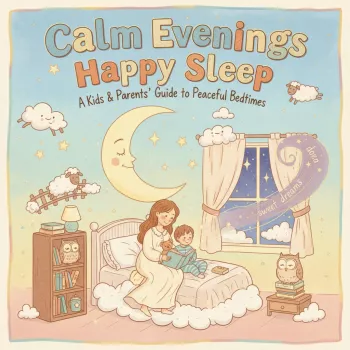
If you want a ready-to-follow routine with scripts and troubleshooting, Calm Evenings Happy Sleep – Toddler Bedtime Guide for Parents | Best Way to Calm Toddler Before Bed is designed to make consistency easier across caregivers and busy weeks.
For daytime structure that can reduce power struggles later, When Kids Say No to Chores | Parenting Guide for What to Do When Child Refuses Chores supports clearer boundaries (which often carry over into bedtime). And since screens can be a major bedtime trigger, Keeping Kids Safe Online | Digital Parenting Guide for Modern Families can help you tighten device routines earlier in the evening.
FAQ
What is the best way to calm a toddler before bed?
Start a 45–60 minute wind-down with dim lights, quiet activities, and screens off, then follow a predictable routine with a short, consistent lights-out script. A few minutes of undivided connection time before the routine often reduces bedtime battles.
How long should a toddler bedtime routine be?
The routine portion is often easiest at 20–40 minutes within a 45–60 minute wind-down. Keep it to 5–7 repeatable steps and end with a brief, identical goodnight to prevent stalling.
What if my toddler keeps getting out of bed?
Return your toddler to bed calmly and quietly every time with minimal talking and no extra rewards. Consistent, boring follow-through (plus a safe room setup) helps the behavior fade faster than negotiating.










Leave a comment