Silicone for Babies: Safety, Choosing & When to Replace
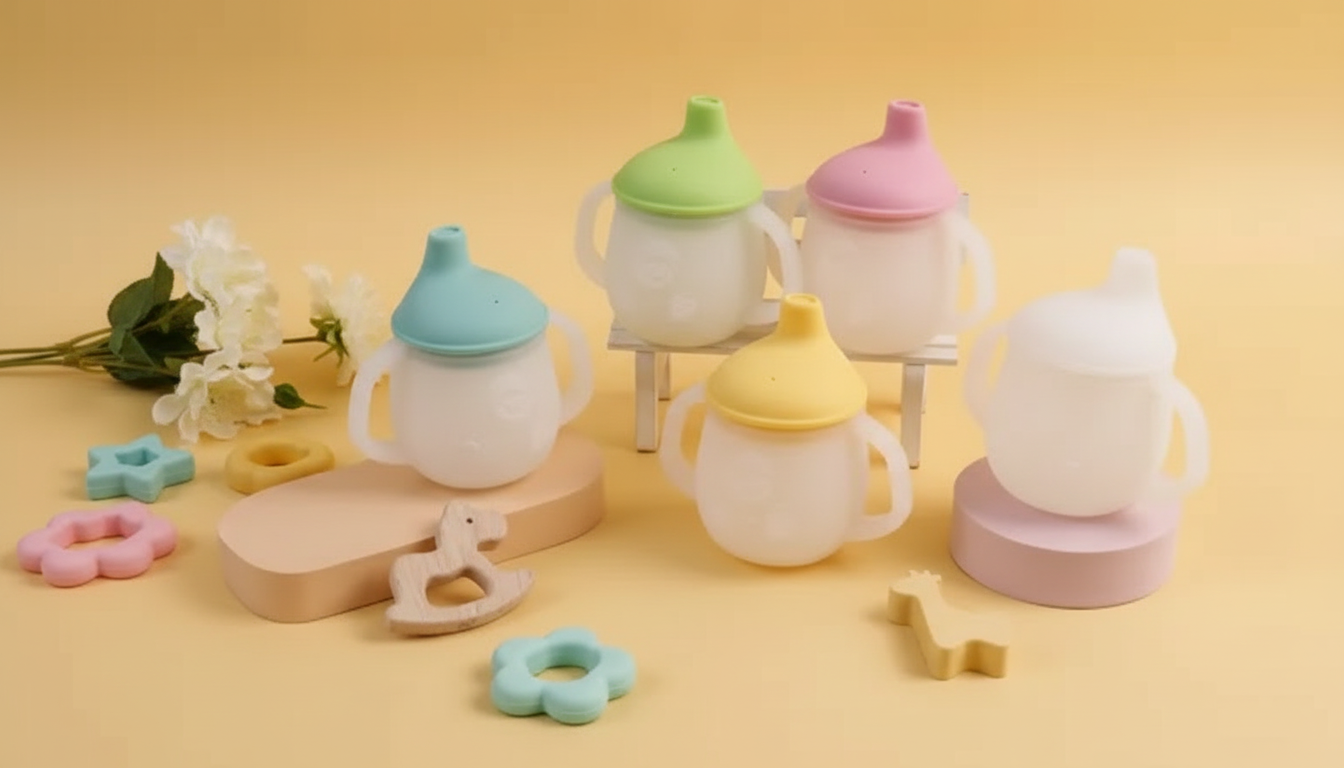
Is it safe to use silicone for babies?
Silicone can be safe for babies when it’s the right type and used as intended. Many pacifiers, bottle nipples, teethers, bibs, and feeding tools are made from food-grade or medical-grade silicone because it’s flexible, durable, and less likely to splinter or crack than hard plastics. The key is choosing reputable products and watching for signs of wear.
What makes silicone a safer choice for baby products?
High-quality silicone is generally non-reactive and stable across a wide temperature range, so it holds up well for sterilizing, dishwashing, and repeated chewing. It’s also typically free from BPA and phthalates when labeled accordingly, which is why it’s commonly used for items that spend time in a baby’s mouth.
How to choose safe silicone items for babies
Look for products labeled “food-grade” or “medical-grade” silicone and made by established brands with clear safety testing information. If the item is for feeding, confirm it’s intended for food contact and is dishwasher-safe/boil-safe only if the manufacturer states it. Avoid strong chemical odors, sticky surfaces, or powders/flaking—those can signal low-quality materials or coatings.
Safe use tips and when to replace silicone
Inspect silicone items frequently, especially teethers and pacifiers. Replace them if you notice tears, thinning, bite marks that create weak spots, or any parts loosening from a handle or shield. Wash and sterilize according to the manufacturer’s directions; overheating or harsh cleaners can shorten the product’s lifespan even when silicone itself is heat-resistant.
For a deeper breakdown of what to look for and how to use silicone baby products safely, visit the full guide here: https://juniorbright.shop/is-it-safe-to-use-silicone-for-babies/.
FAQ
How do I clean and sterilize silicone baby products?
Wash with warm water and mild dish soap, then rinse well. If the manufacturer allows it, silicone can often be sterilized by boiling briefly or using a steam sterilizer; always follow the product’s specific instructions to avoid damage.










Leave a comment