Calm Dentist Visit Prep for Kids: 3-Day Checklist
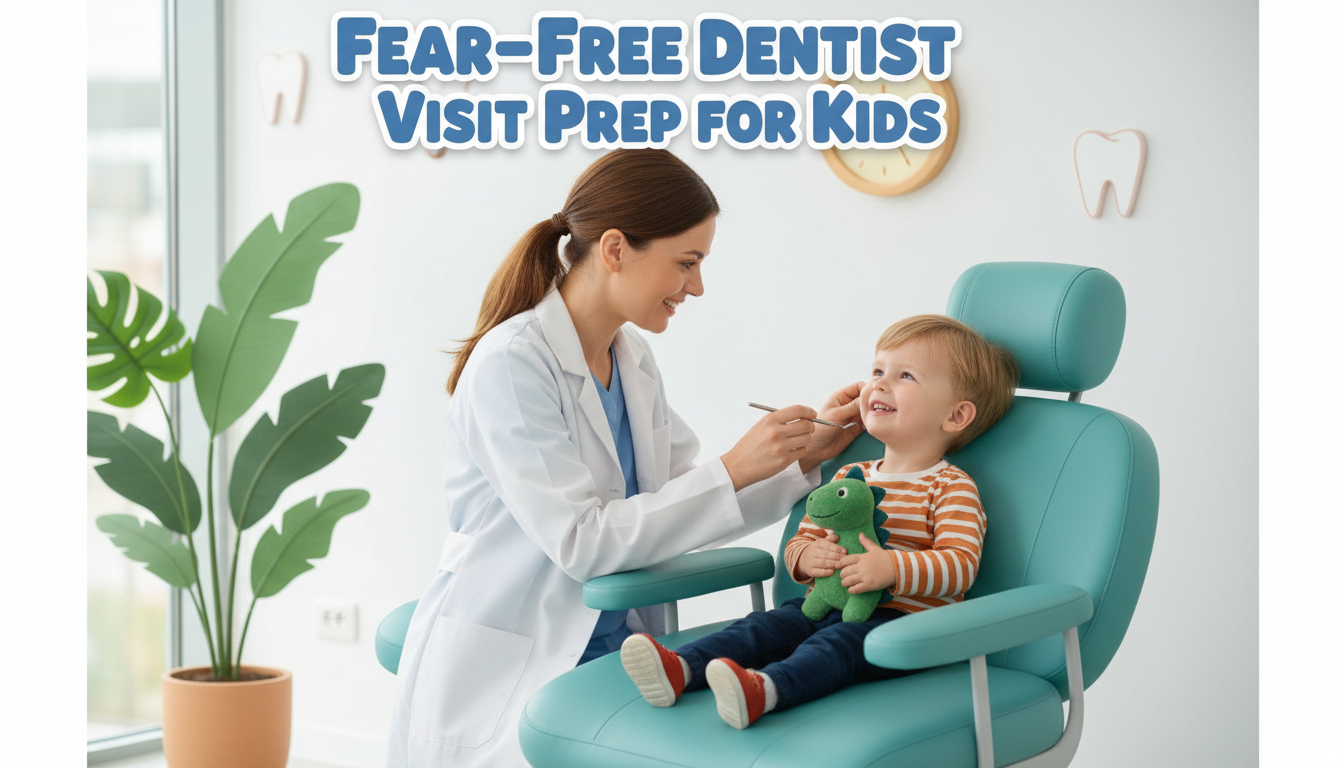
Fear-Free Dentist Visit Prep for Kids: A Parent’s Printable Checklist and Calm Countdown Plan
A smooth dental visit often starts days before the appointment. With a simple plan, kid-friendly language, and a few comfort strategies, most children can walk in feeling curious instead of worried. Use the printable checklist to set expectations, practice at home, and turn the visit into a positive routine.
Why some kids feel nervous about the dentist
Dental offices can feel intense to a child because they combine unfamiliar tools, close personal space, and new rules (like holding still). Common reasons kids get nervous include:
- New sights, sounds, and sensations that feel unpredictable (bright lights, suction, unfamiliar tools).
- Fear shaped by past experiences (their own, a sibling’s) or overheard adult conversations.
- Worry about loss of control; small choices can restore confidence (which chair, which flavor, which song).
- Sensitivity to touch/noise, a strong gag reflex, or sensory differences that require extra preparation.
If you’re unsure what’s developmentally typical, pediatric dental guidance from the American Academy of Pediatric Dentistry (AAPD) can help you understand what to expect and how pediatric teams usually support kids.
A 3-step “calm countdown” plan (3 days → 1 day → day-of)
Think of prep as gentle exposure—short, positive, and consistent—so the appointment doesn’t feel like a surprise.
Three days before
- Keep the tone light; mention the visit briefly and avoid over-explaining.
- Read a dentist-themed picture book or watch a short, gentle video made for kids.
- Introduce the idea that the dentist “counts teeth” and “takes pictures” to help keep teeth strong.
Two days before
- Do a quick pretend checkup at home: count teeth, do a “mirror check,” practice opening wide.
- Play a fast “rinse and spit” game (for kids who can safely rinse) so the sink routine feels normal.
One day before
- Confirm logistics (time, parking, forms) so your morning stays calm.
- Choose comfort items together.
- Plan a simple reward that celebrates bravery (effort and coping), not “no tears.”
Day-of
- Give extra time so you’re not rushing.
- Offer a steady-energy meal or snack beforehand unless the office instructed otherwise.
- Use the same upbeat, neutral script you practiced at home.
What to say (and what to avoid saying)
Kids do best with truthful, concrete language. Reassurance like “It won’t hurt” can backfire if anything feels uncomfortable. Try these swaps:
- Use neutral specifics: “The dentist will count your teeth and take pictures,” instead of “It won’t hurt.”
- Avoid scary words (shot/needle/pain/drill). If you need terms, ask the office what kid-friendly words they use.
- Validate feelings without amplifying them: “It’s okay to feel unsure. You can take deep breaths and ask for a break.”
- Rehearse coping phrases: “I can do hard things,” “I can hold still,” “Break please,” “Explain first.”
If your child asks direct questions (“Will it hurt?”), a steady response is: “Some parts might feel weird or cold, and you can always ask for a break. The dentist’s job is to help you feel safe.”
The printable checklist: what to pack and what to practice
A small packing routine and two minutes of practice can reduce day-of friction. Focus on comfort, clear signals, and a calm plan for after the appointment.
Quick Prep Checklist by Timeline
| When | Do this | Why it helps |
|---|---|---|
| 3 days before | Mention the visit briefly; choose a book/video; schedule a short pretend checkup | Builds familiarity without creating anticipation anxiety |
| 1 day before | Let your child pick a comfort item and a reward; confirm appointment details | Adds control and reduces day-of stress |
| Day-of (before leaving) | Bathroom break; steady snack; pack bag; review the break signal | Prevents discomfort and gives a clear coping plan |
| In the waiting room | Quiet activity; model slow breathing; keep language neutral | Keeps arousal low and avoids spiraling worries |
| After the visit | Praise specific brave actions; do the planned calm activity | Reinforces positive memory and willingness to return |
During the appointment: comfort strategies that often work
For everyday oral-health routines that support easier checkups, the American Dental Association’s children’s oral health resources are a practical reference.
If your child has big fears, sensory needs, or past trauma
For additional context on children’s oral health basics and prevention, see the CDC’s children’s oral health overview.
Make the first visit a win: goals that create positive momentum
Printable support: Fear-Free Dentist Visit Prep for Kids
If your family does best with a simple visual plan, the Printable Fear-Free Dentist Visit Prep for Kids checklist organizes what to say, what to pack, and what to practice—without turning preparation into a big, stressful “countdown.” It’s helpful for first visits, return visits after a tough experience, and kids who feel calmer when they can see the plan.
FAQ
How do you prepare a child who is scared of the dentist?
Use a short countdown plan, practice with a pretend checkup, keep your language neutral and specific, and teach a break signal your child can use any time. For high anxiety, a meet-and-greet “happy visit” can reduce fear before any work happens.
What should a parent bring to a child’s dental appointment?
Bring a comfort item, headphones or sunglasses if helpful, insurance information, a medication list, and any sensory notes that help the team support your child. A quiet waiting-room activity and a spare shirt can also make the experience smoother.
What if my child cries or refuses to open their mouth?
Stay calm, validate feelings, and ask the team to use tell-show-do with short breaks to rebuild control. Reset the goal to a small win, and if refusals continue, ask about gradual desensitization or a pediatric dentist plan.










Leave a comment