Toddler Won’t Drink Water? 7-Day Gentle Reset Plan
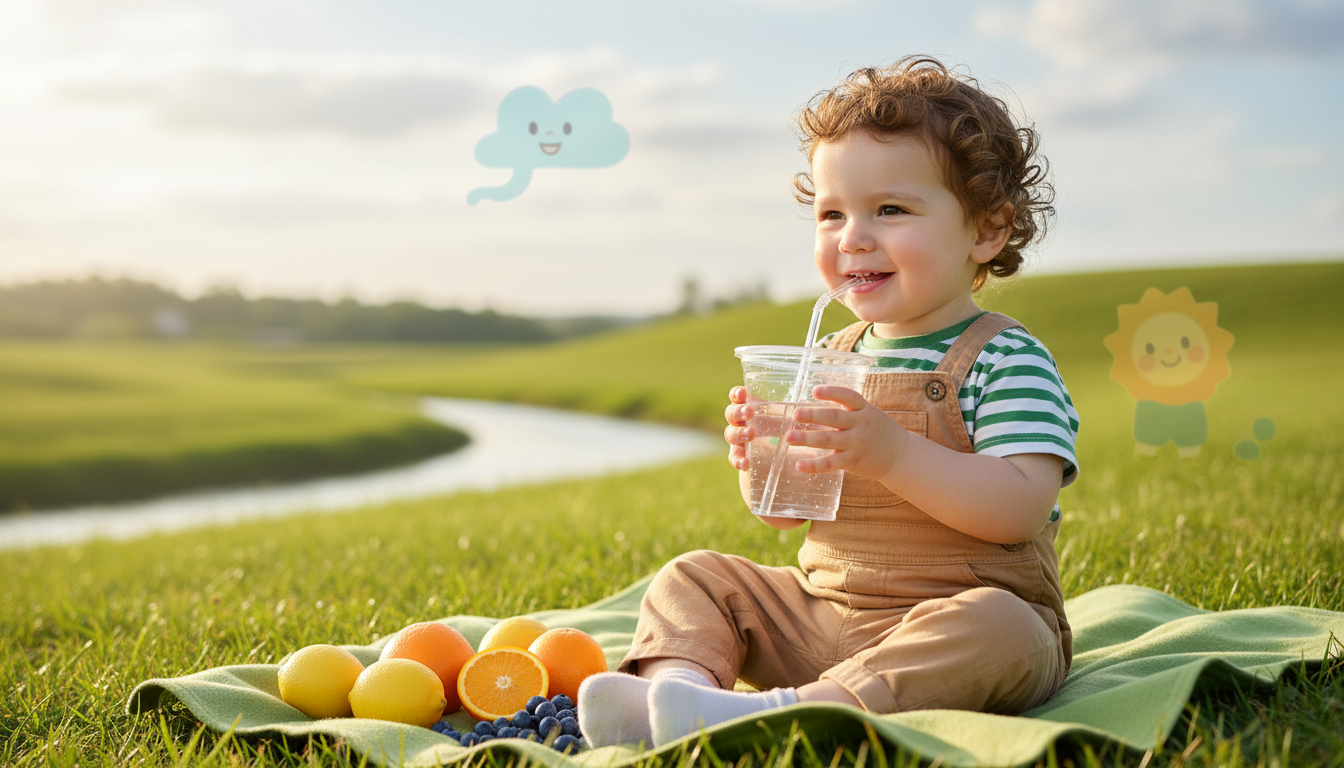
Toddlers often resist water for reasons that have little to do with “being difficult”: control, distraction, taste preferences, and inconsistent routines. A few small environmental and routine changes can turn water into a normal, low-drama habit—without pressure, bribes, or battles.
Why toddlers push back on water
If water feels like a constant negotiation, it helps to remember what’s really going on beneath the “no.” Many toddlers aren’t refusing hydration—they’re protecting independence, chasing fun, or reacting to sensory details adults barely notice.
- Autonomy stage: Saying “no” is a way to practice independence, especially with food and drinks.
- Preference for sweet flavors: After exposure to juice, flavored milk, or sweet snacks, plain water can seem “boring.”
- Distraction during play: Thirst cues get ignored until they’re cranky or overtired.
- Cup issues: Spout flow, straw resistance, temperature, or an unfamiliar cup can be an instant dealbreaker.
- Power struggles: Repeated prompting can make drinking feel like a contest rather than a choice.
- Illness/constipation: These can reduce appetite and drinking, creating a temporary dip.
How much water is “enough” for a toddler?
Hydration needs vary with age, body size, weather, activity level, and how much water is coming from foods (fruit, soups, yogurt) and milk. Rather than chasing a perfect number, lean on simple cues and steady routines—most toddlers do better with frequent small sips than one big “catch-up” at bedtime.
Helpful everyday signs include pale yellow urine, regular wet diapers/urination, moist lips, normal energy, and fewer constipation complaints. For general drink guidance, HealthyChildren.org (American Academy of Pediatrics) is a solid starting point.
Simple daily hydration checkpoints (ages 1–3)
| Checkpoint | What to look for | What to do if it’s off |
|---|---|---|
| Urine color | Pale yellow most of the day | Offer small sips hourly; add water-rich snacks (melon, cucumber) |
| Urination frequency | Regular wet diapers/pees across the day | Send a water bottle with play; serve water with every snack |
| Stool comfort | Soft stools without straining | Increase fluids and fiber together; consider prunes/pears and more water |
| Behavior/energy | Normal mood and play | Offer water after active play; keep it visible and within reach |
| Thirst at bedtime | Not chugging right before sleep | Shift water earlier; pair with meals/snacks instead |
Set up the environment so water is the easiest choice
The fastest wins usually come from removing friction. If water is easy to spot, easy to reach, and easy to drink from, toddlers are more likely to sip without making it “a thing.”
- Make water visible: Keep a toddler-safe cup or bottle in the same spot they play most.
- Use the “two-cup rule”: One at the table, one in the play area so you’re not constantly relocating a single cup.
- Serve water first at transitions: When they sit down (snack, lunch, car seat), thirst is often higher.
- Keep temperature consistent: Some toddlers strongly prefer cold; others reject ice-cold water.
- Pick a cup that matches skill level: Easy-flow straw, lightweight, and a comfortable mouthpiece.
- Keep it neutral: Avoid turning the cup into a prize; water is simply available, like a toothbrush.
Low-pressure routines that increase sipping
A calm routine beats constant reminders. The goal is “lots of small yeses” across the day—not a showdown over finishing a cup.
- Anchor water to predictable moments: After waking, with every snack, after outdoor play, after bath, and before books.
- Offer tiny amounts more often: Aim for 2–4 sips and move on.
- Use choice within boundaries: “Water in the blue cup or the green cup?”
- Model it: Take a sip together at transitions with zero commentary.
- Keep prompts brief: One calm reminder is usually more effective than repeated asking.
- Coordinate with daycare: Ask for water offered at set times, not only at meals.
Make water appealing without turning it into a sweet drink
Fun can help—sugar doesn’t. If water starts tasting like dessert, it can be harder to return to plain water later.
- Add fun, not sugar: A silly straw, tiny ice cubes, or a short “water song” at snack time.
- Try lightly infused water: A few fruit slices briefly infused, then removed (keep flavor subtle).
- Pair water with water-rich foods: Berries, oranges, watermelon, cucumbers, soups.
- Keep juice limited: Frequent juice can make plain water less appealing over time.
- Avoid “sweet drink rescue”: Using sweetened drinks to fix low intake trains preference toward sweetness.
For more on choosing healthier drinks overall, the CDC’s hydration guidance is a helpful reference.
When to be cautious: dehydration signs and common pitfalls
Most day-to-day dips in drinking are normal, but it’s important to recognize when a toddler may need extra attention—especially in heat or illness.
For a quick overview of dehydration red flags, see the NHS dehydration page.
A simple 7-day reset plan (gentle, consistent, and measurable)
Recommended resources (in stock)
- Helping Your Toddler Drink More Water (Without the Struggle) | A Parent’s Guide on How to Get Toddler to Drink More Water
- When Kids Say No to Chores | Parenting Guide for What to Do When Child Refuses Chores
- Kids HD Large-Frame Swimming Goggles
FAQ
What if my toddler only wants milk or juice?
Keep water routinely available and predictable, and serve it at transitions and with snacks. Offer small servings of milk/juice at set times without negotiating, and keep presenting water calmly as the default between those drinks.
How can I tell if my toddler is dehydrated?
Look for very dark urine, fewer wet diapers/pees, dry mouth, no tears when crying, and unusual sleepiness. If your toddler is vomiting, has diarrhea, has a high fever, or is urinating very little, contact your pediatrician promptly.
Is flavored water okay for toddlers?
Lightly flavored water (briefly infused with fruit slices and no added sugar or sweeteners) can be a short-term bridge for some toddlers. Keep offering plain water most of the time so the preference gradually shifts back to unflavored water.






Leave a comment