Baby’s First Cold: Safe Care, Feeding & When to Call
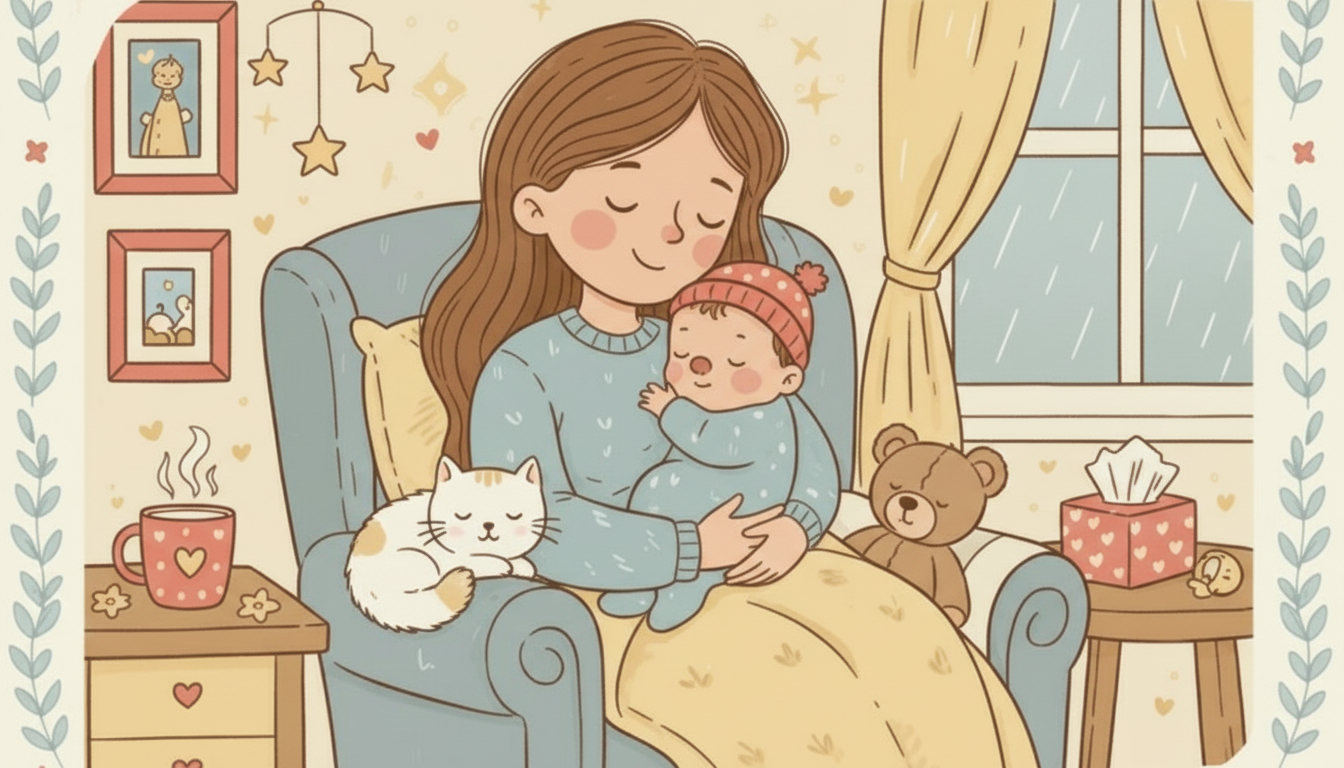
How to handle a baby’s first cold?
A baby’s first cold can feel scary, but most are mild and improve with supportive care. The main goals are to keep your baby comfortable, protect sleep and feeding, and watch closely for signs that need medical attention.
Start with comfort and hydration
Offer feeds more often, even if they’re shorter. Breast milk or formula provides fluids and calories when appetite dips. If your baby is congested, smaller, more frequent feeds can be easier than full ones. Track wet diapers—steady output usually means hydration is okay.
Clear a stuffy nose the safe way
For babies, nasal congestion is often the biggest issue. Use saline drops or spray, then gently suction with a bulb syringe or nasal aspirator, especially before feeds and sleep. Avoid medicated decongestant sprays unless a pediatrician specifically recommends them.
Support restful sleep
Run a cool-mist humidifier in the room and keep the air comfortably moist. Dress your baby in light layers and keep the room at a safe, moderate temperature. Follow safe sleep guidance: place baby on their back on a firm, flat surface without pillows, wedges, or loose bedding.
Skip most cold medicines
Over-the-counter cold and cough medicines aren’t recommended for young children, and dosing mistakes can be dangerous. For fever or discomfort, ask your pediatrician about the right medication and dose based on your baby’s age and weight.
Know when to call the pediatrician
Seek medical advice urgently if your baby is under 3 months with any fever, has trouble breathing (fast breathing, retractions, grunting, flaring nostrils), shows signs of dehydration (much fewer wet diapers, very dry mouth), is unusually sleepy or hard to wake, or symptoms worsen instead of improving over a few days.
For a more detailed, step-by-step guide (including what to monitor and when to get help), visit How to Handle a Baby’s First Cold.
FAQ
How long does a baby cold usually last?
Most baby colds improve in about 7–10 days, though a lingering cough can last a bit longer. If symptoms are getting worse after a few days or your baby seems to struggle with breathing or feeding, contact your pediatrician.









Leave a comment